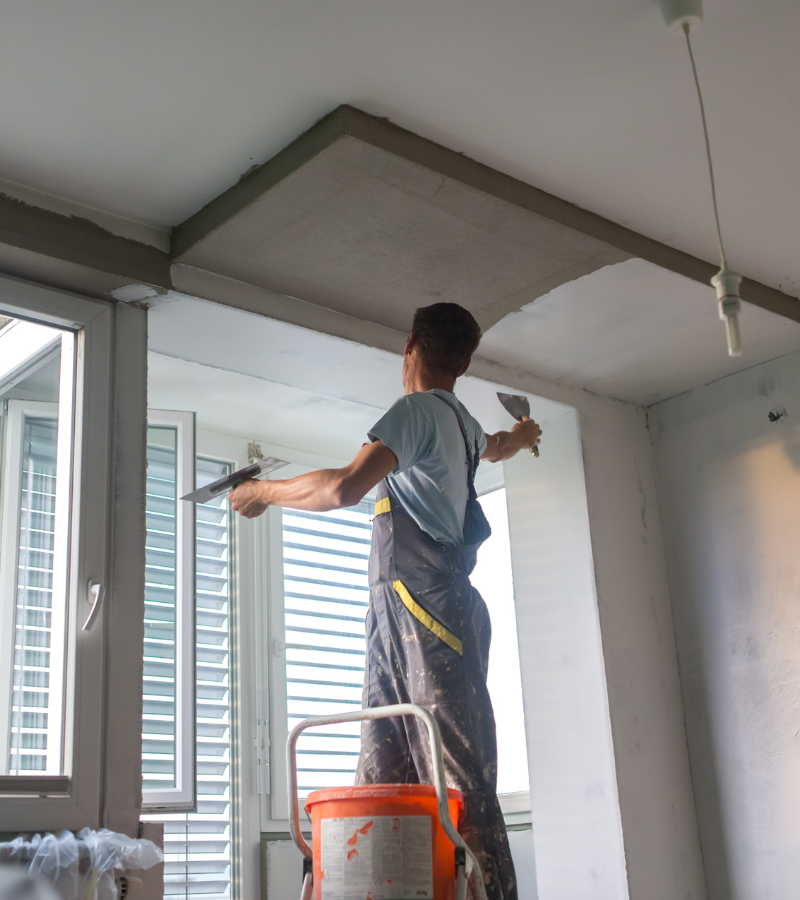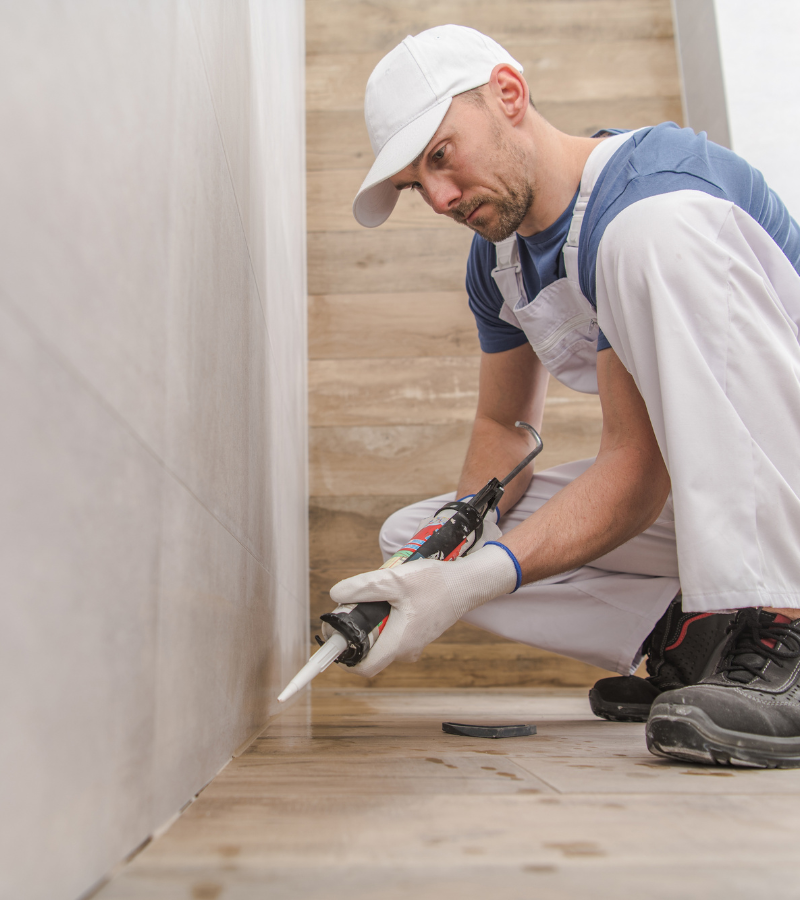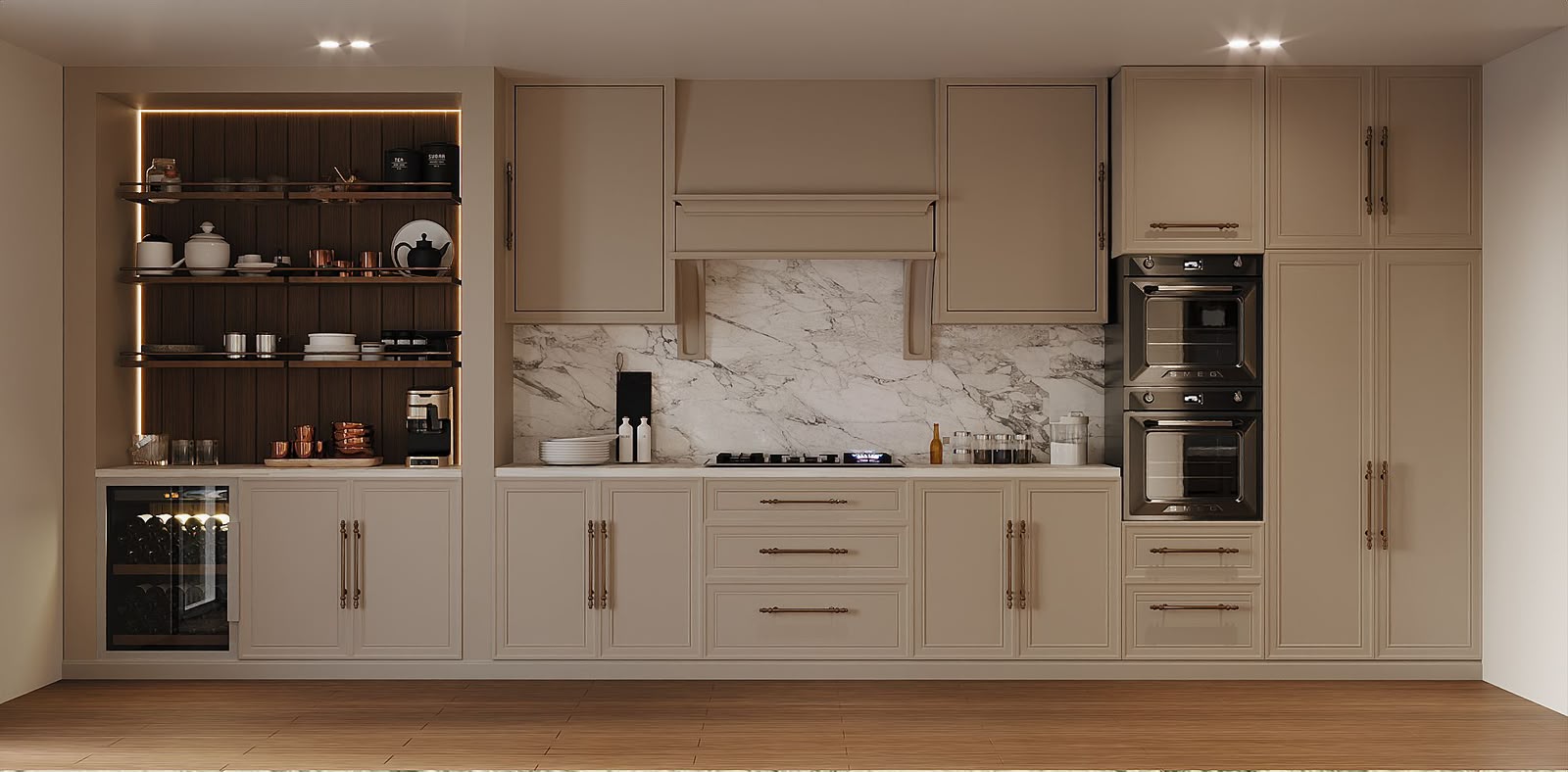

Professional Marble Installation Services in Dubai require careful surface preparation, accurate setting-out, controlled joint alignment and attention to the natural character of every marble piece.
Professional Marble Installation Services in Dubai can transform floors, entrance foyers, bathrooms, living rooms, staircases and feature walls with a natural material that brings distinctive colour, movement and character to an interior.
However, selecting an attractive marble is only one part of achieving a good result. The substrate must be properly prepared, floor levels need to be checked, slabs or tiles should be planned before installation, and joints must align carefully with walls, doors, cabinetry and adjoining finishes.
Because marble is a natural material, no two pieces are exactly identical. Veins, colour variation and markings need to be considered as part of the layout rather than treated as imperfections to be hidden during installation.
These details are particularly important for properties in Dubai, Sharjah and across the UAE, where marble is commonly incorporated into villa renovations, apartments, bathrooms, entrance areas and complete interior fit-outs.
This guide explains the key considerations involved in marble installation, including surface preparation, flooring, wall cladding, wet areas, vein matching, joints, finishing and coordination with joinery and MEP services.
What Do Marble Installation Services Include?
Marble installation involves considerably more than placing stone onto a floor or wall. The complete process should consider the condition of the existing surface, the dimensions of the marble, the desired layout and how the new finish connects with surrounding materials.
Depending on the project, marble installation may involve:
- Site measurement and surface assessment
- Floor or wall preparation
- Setting-out and alignment
- Slab or tile layout planning
- Vein and pattern coordination
- Cutting and edge detailing
- Installation and fixing
- Joint treatment
- Coordination around doors and joinery
- Bathroom and wet-area detailing
- Finishing, polishing or sealing where appropriate
- Protection during remaining construction work
Each stage affects the appearance of the final installation. Even high-quality marble can appear poorly finished when joints, levels and surrounding details have not been coordinated correctly.
Where Can Marble Be Used in a Home?
Marble can be incorporated into many parts of an interior when the selected stone and installation method are appropriate for the intended application.
Common areas include:
- Living-room floors
- Entrance foyers
- Dining areas
- Hallways
- Bathroom floors and walls
- Vanity areas
- Staircases
- Feature walls
- TV walls
- Decorative wall panels
- Selected kitchen surfaces
- Thresholds and transition details
A large villa entrance in Dubai may use marble across the flooring and staircase to establish a strong visual feature. A smaller apartment may use marble selectively on a bathroom wall, vanity area or living-room feature.
The objective should not be to cover every surface with the same material. Marble is often more effective when it is coordinated with timber, painted finishes, metal, glass or other complementary materials.
Start With a Detailed Site Assessment
Before installation begins, the existing floor or wall should be inspected.
The assessment should identify:
- Surface condition
- Existing floor level
- Cracks or movement
- Uneven areas
- Moisture concerns
- Existing tiles or finishes
- Door clearances
- Drainage points
- Floor transitions
- Wall alignment
- Nearby joinery
- MEP penetrations
This information determines the preparation required before the marble is installed.
A surface that appears visually flat may still contain level differences that become obvious once large-format marble is placed across it. Similarly, an uneven wall can create alignment problems around corners or decorative panels.
AMT Interiors reviews site conditions as part of marble installation and wider interior fit-out projects across Dubai, Sharjah and the UAE.
Prepare the Substrate Properly
Surface preparation is one of the most important stages of marble installation.
The substrate needs to be stable, clean and suitable for the selected installation system. Loose material, significant irregularities or unresolved moisture problems should be addressed before marble is fixed.
Preparation may involve:
- Removing unsuitable existing finishes
- Cleaning the substrate
- Repairing damaged areas
- Correcting levels
- Preparing wet areas
- Checking slopes toward drains
- Coordinating thresholds
- Verifying wall alignment
Installing marble over a poorly prepared base can affect alignment, adhesion and the overall quality of the finished surface.
Preparation should therefore be treated as part of the installation itself rather than an optional preliminary step.
Choose Marble With Natural Variation in Mind
Marble is a natural material, which means variation should be expected.
Individual pieces may differ in:
- Colour
- Veining
- Pattern
- Mineral markings
- Background tone
- Surface character
These differences are one of the reasons marble can create a distinctive interior.
Before installation, the material should be reviewed as a collection rather than one piece at a time. Pieces with stronger veins may be positioned where they can become part of the design, while quieter pieces may work better around edges or adjoining surfaces.
Homeowners should review representative samples and understand that natural marble will not have the identical repetition found in manufactured materials.
Select the Right Marble Finish
The surface finish influences both appearance and practical use.
Different finishes can create different visual effects. A polished surface can appear more reflective and emphasise colour and veining, while a less reflective finish may provide a softer appearance.
The appropriate finish depends on:
- Location
- Foot traffic
- Cleaning requirements
- Desired appearance
- Wet-area use
- Surrounding materials
- Lighting conditions
A highly reflective marble floor may suit a formal entrance but could show reflections from windows and artificial lighting more strongly.
For bathroom floors, practical considerations such as surface grip should form part of the material decision.
The stone and finish should therefore be selected according to both design and intended use.
Decide Between Marble Slabs and Tiles
Marble can be installed in different formats depending on the application.
Large slabs can create fewer visible joints and allow dramatic veins to become a major design feature. However, their weight, size, access route and installation requirements need careful planning.
Marble tiles may offer greater flexibility across smaller rooms and complex layouts.
The choice should consider:
- Room dimensions
- Access to the property
- Wall or floor application
- Desired joint pattern
- Stone design
- Cutting requirements
- Installation conditions
For large feature walls, slab dimensions should be coordinated with electrical outlets, television positions, shelves and joinery before cutting begins.
For flooring, the tile or slab module should be planned around the room rather than simply starting at one wall and accepting narrow cuts at the opposite side.
Plan the Marble Layout Before Installation
Setting-out determines where the marble pieces and joints will sit within the room.
A well-planned layout should consider:
- Main entrance sightlines
- Room centre lines
- Doors
- Columns
- Cabinet edges
- Floor transitions
- Staircases
- Bathroom fixtures
- Wall centre lines
For example, a floor joint running slightly away from the centre of a major doorway may be more noticeable than adjusting the layout to create symmetry.
The aim is also to avoid unnecessarily narrow pieces around visible edges.
Planning becomes especially important with large-format marble because every joint becomes part of the architecture of the room.
Use Dry Layouts for Important Areas
Where vein direction and colour variation are visually important, selected marble pieces can be reviewed before final fixing.
This process helps determine:
- Which pieces should sit together
- Direction of prominent veins
- Colour transitions
- Position of focal pieces
- Areas where cuts will occur
A dry arrangement is particularly useful for feature walls, entrance floors, bathrooms and other areas where the marble pattern will attract attention.
Natural variation cannot and should not always be eliminated. The objective is to arrange it intentionally so the finished surface feels balanced.
Coordinate Marble Veining
Vein direction can significantly influence the finished design.
Depending on the marble and layout, the installation may use:
- Continuous vein direction
- Balanced natural variation
- Mirrored arrangements
- Bookmatched effects
- Feature slabs
When two highly visible slabs meet, their relationship should be considered before cutting and installation.
Bookmatched marble, where suitable pieces create a mirrored pattern, can produce a strong feature on large walls. However, it should be planned around the available material rather than assumed to be possible with every selection.
The vein layout should also relate to nearby joinery, mirrors, lighting and architectural centre lines.
Marble Flooring Installation in Dubai
Professional marble flooring installation in Dubai requires accurate floor preparation and careful control of levels.
Before installation, the floor should be checked for:
- Flatness
- Height differences
- Cracks
- Existing finishes
- Door clearances
- Transitions
- Drainage where relevant
The marble layout should then be planned across the complete room.
In open-plan interiors, the floor may continue through living, dining and entrance areas. Joint alignment becomes particularly important because the installation may be visible across long sightlines.
Transitions to other flooring materials should also be planned carefully. Marble should meet timber, porcelain or other finishes through a clean and intentional junction rather than an improvised edge.
Marble for Entrance Foyers
The entrance foyer is one of the most effective places to use marble because the floor is visible immediately when entering the property.
Foyer designs may include:
- Large-format marble
- Border detailing
- Contrasting stone
- Coordinated staircases
- Wall cladding
- Decorative inlays
- Marble console areas
The pattern should relate to the entrance door, corridor and staircase rather than simply filling the available floor.
In a larger Dubai villa, the marble layout may be centred around the main entrance and extend toward the living areas.
Lighting should also be considered because polished surfaces and strong veins may appear different during daylight and evening conditions.
Marble Wall Cladding
Marble wall cladding in the UAE can create a strong architectural feature without using stone across the entire room.
It may be applied to:
- Entrance walls
- Living-room features
- TV walls
- Bathroom walls
- Vanity areas
- Staircase walls
- Decorative niches
Wall installation requires careful planning of both the stone and supporting surface.
The layout should account for switches, sockets, shelves, televisions, mirrors and other elements attached to the wall.
Cut-outs should be coordinated before installation wherever possible. Poorly positioned electrical outlets can interrupt prominent marble veins and weaken an otherwise balanced composition.
Create a Marble TV Feature Wall
Marble can provide a strong background for a television, particularly when combined with bespoke joinery.
A TV wall may include:
- Central marble panels
- Timber side cabinets
- Floating storage
- Concealed cables
- Integrated lighting
- Metal details
- Display shelving
The television fixing and cable routes should be confirmed before the marble is installed. Cutting additional openings after completion should be avoided where practical.
The vein layout should also be viewed against the actual television size. A prominent vein that disappears entirely behind the screen may be better repositioned elsewhere within the composition.
AMT Interiors can coordinate marble installation with bespoke joinery, custom woodworking and electrical requirements as part of a complete feature wall project.
Marble Installation in Bathrooms
Marble can be used on bathroom floors, walls, vanity areas and selected shower surfaces when the complete installation is designed for the environment.
Wet areas require particular attention to:
- Waterproofing
- Drainage
- Floor slopes
- Corners
- Penetrations
- Joints
- Plumbing points
- Shower glass
- Vanity alignment
Marble itself should not be treated as the waterproofing layer. The substrate and wet-area system behind the finish must be prepared appropriately.
The floor layout should also work with drains and bathroom fixtures. Random cuts around toilets, vanities or shower channels can make a carefully selected marble installation appear poorly coordinated.
Coordinate Marble With Bathroom Joinery
Bathroom vanities, mirrored cabinets and tall storage units should be designed alongside the marble layout.
The vanity centre line may influence:
- Marble joints
- Basin position
- Mirror alignment
- Wall lighting
- Tap location
If a marble backsplash is used behind the vanity, electrical points and plumbing should be confirmed before the stone is cut.
AMT Interiors provides bespoke joinery and MEP engineering services in addition to marble installation, allowing connected elements to be coordinated within the wider bathroom renovation scope.
Use Marble on Staircases Carefully
Marble staircases can create a strong connection between floors in a villa, but stairs require accurate dimensions and consistent detailing.
The installation should consider:
- Step height
- Tread depth
- Riser dimensions
- Landing levels
- Edge details
- Skirting
- Wall junctions
- Handrail connections
- Surface suitability
The finished steps should appear consistent when viewed from both the bottom and top of the staircase.
Vein direction can also influence the appearance of the stairs. Randomly changing patterns between consecutive steps may make the installation feel disconnected.
Any stair application should consider safe use as well as appearance.
Coordinate Joints Carefully
Joints are part of every marble installation and should be planned rather than hidden.
Their location should relate to:
- Room centre lines
- Doorways
- Cabinet edges
- Columns
- Wall corners
- Adjacent finishes
Consistent joint widths contribute to an organised appearance.
Where marble meets another material, the transition requires particular attention. The two surfaces may have different thicknesses, installation methods or movement characteristics.
These conditions should be identified during planning instead of being solved only when installers reach the junction.
Coordinate Marble With Doors and Skirting
Door frames and skirting are often installed close to marble surfaces, so sequencing matters.
The design should determine:
- Whether skirting is marble or another material
- How the skirting meets door frames
- Floor level beneath doors
- Threshold treatment
- Junctions between wall and floor
- Alignment around concealed or flush doors
Small inconsistencies at these edges can become highly visible because marble surfaces often create strong straight lines.
The joinery, flooring and finishing teams should therefore work from coordinated dimensions.
Coordinate Marble With Bespoke Joinery
Marble and joinery are frequently used together in kitchens, bathrooms, TV walls, home bars and entrance areas.
Successful combinations require coordination of:
- Cabinet dimensions
- Countertop levels
- Stone thickness
- Joint locations
- Wall panels
- Shelf positions
- Lighting channels
- Metal trims
Joinery should not be fabricated from approximate dimensions where the final marble surface changes the available opening.
Similarly, marble panels should not be installed without considering the dimensions and fixing requirements of adjacent cabinets.
Accurate sequencing helps both materials meet cleanly.
Coordinate MEP Services Before Installation
MEP services can affect marble floors and walls through sockets, switches, plumbing, drains and ventilation points.
Before installation, confirm:
- Electrical outlet locations
- Wall-light positions
- Plumbing penetrations
- Drainage points
- Floor drains
- Tap positions
- Air-conditioning elements
- Access panels
Late changes may require additional cutting through completed stone.
For bathroom and kitchen renovation projects, plumbing and electrical first-fix work should therefore be coordinated with the approved marble layout before installation begins.
Consider Lighting When Selecting Marble
Lighting can change how marble looks.
Natural daylight may emphasise subtle veins that are less visible under artificial lighting. Polished surfaces can also reflect pendant lights, windows and spotlights.
Feature lighting may be used to highlight:
- A marble wall
- Entrance flooring
- Vanity backsplash
- Staircase
- Decorative niche
- TV feature wall
However, strong directional lighting can also highlight surface irregularities and joints.
Stone samples should therefore be considered within the room’s actual lighting conditions rather than viewed only under showroom lighting.
Protect Marble During Construction
Marble should be protected after installation when other trades are still working in the area.
Subsequent work may involve:
- Joinery installation
- Painting
- Electrical finishing
- Ceiling work
- Furniture movement
- Appliance installation
Construction debris, tools and heavy equipment can scratch or damage an exposed marble surface.
Protection should be suitable for the stone and should not introduce materials or adhesives that could affect the finish.
The protective covering should also remain clean. Debris trapped beneath temporary protection can create damage when people walk across it.
Understand Polishing and Finishing
The final appearance of marble depends on the selected material, original surface finish and installation requirements.
Finishing work may involve cleaning, joint finishing or appropriate surface treatment. Some installations may require additional polishing or related finishing processes depending on the project.
The goal is to achieve a consistent appearance without unnecessarily altering the natural character of the stone.
Any finishing method should be selected according to the specific marble rather than assuming all natural stone responds identically.
Consider Sealing Where Appropriate
Some marble installations may benefit from an appropriate sealer depending on the stone, surface finish and intended use.
However, sealing does not make marble completely waterproof, stain-proof or maintenance-free.
Homeowners should still:
- Clean spills promptly
- Use suitable cleaning products
- Avoid harsh chemicals
- Follow appropriate stone-care guidance
- Monitor wet areas and plumbing
The treatment should be compatible with the selected stone and desired appearance.
Any existing leakage or waterproofing problem must be resolved independently rather than expecting a marble sealer to compensate for it.
Maintain Marble Correctly
Marble can retain its appearance when it is cleaned and maintained appropriately.
Good maintenance includes:
- Regular removal of dust and grit
- Prompt cleaning of spills
- Using products suitable for natural stone
- Avoiding aggressive chemicals
- Protecting high-use surfaces where appropriate
- Addressing damaged joints or plumbing leaks promptly
Abrasive cleaning products may affect some finishes.
Furniture should also be moved carefully across marble flooring to reduce scratching. Protective pads can help where chairs and tables are moved regularly.
Maintenance requirements should be considered before selecting marble so they match the household’s expectations and lifestyle.
Common Marble Installation Mistakes to Avoid
One of the most common mistakes is beginning installation without first planning the marble layout.
Other issues include:
- Installing over an unsuitable substrate
- Ignoring floor levels
- Not reviewing natural colour variation
- Failing to plan vein direction
- Creating narrow edge cuts
- Misaligning joints with doors and joinery
- Cutting electrical openings after installation
- Ignoring wet-area waterproofing
- Poor coordination with drainage
- Failing to protect installed marble
- Using unsuitable cleaning products
- Treating sealing as waterproofing
- Installing joinery without considering marble thickness
Good marble installation depends on planning, preparation and coordination as much as the visible stone itself.
How AMT Interiors Approaches Marble Installation Services
AMT Interiors provides Marble Installation Services in Dubai, Sharjah and across the UAE as part of its flooring, renovation and interior fit-out capabilities.
The project begins with a review of the intended marble application and existing site conditions. Measurements, floor levels, walls, adjoining finishes and relevant MEP requirements are considered before installation begins.
Depending on the project, the coordinated scope may include:
- Marble flooring installation
- Marble wall features
- Bathroom marble
- Entrance and foyer flooring
- Staircase finishes
- Feature walls
- Flooring transitions
- Bespoke joinery coordination
- MEP coordination
- Interior finishing
AMT Interiors also provides interior fit-out, renovation, bespoke joinery, custom woodworking, MEP engineering, carpentry, painting and other finishing services. This allows marble to be coordinated with the surrounding interior instead of treated as an isolated finishing activity.
Frequently Asked Questions About Marble Installation Services in Dubai
How do I know whether marble is suitable for my floor or wall?
Marble can work well on floors, walls, bathrooms, staircases and feature areas, but the right application depends on the stone, substrate, traffic level and maintenance expectations. Floors need a stable, properly prepared base, while wall installations require suitable fixing methods and careful alignment. Wet areas also need appropriate waterproofing and detailing behind the marble; marble itself should not be treated as the waterproofing layer. AMT Interiors reviews the site conditions, intended use, slab or tile format and surrounding finishes before installation. This helps homeowners in Dubai, Sharjah and across the UAE select an approach that suits both the design and the practical demands of the space.
Can marble be installed over existing tiles?
Installing marble over existing tiles may be possible in selected situations, but it should not be assumed to be suitable without a site assessment. The existing surface must be stable, well bonded, sufficiently level and capable of supporting the additional finish. Floor heights, door clearances, skirting, thresholds and adjoining rooms also need to be checked. In some cases, removing the existing finish and preparing the substrate provides a better base for the new installation. AMT Interiors assesses the condition of the existing surface before recommending the method. For projects in Dubai and Sharjah, the final approach should protect alignment, adhesion and transitions rather than simply reducing demolition.
How are marble veins and patterns matched during installation?
Vein matching begins before the marble is fixed in place. Slabs or tiles should be reviewed for colour, natural variation, direction and prominent veining so the layout can be planned across the intended surface. Depending on the design, the marble may use continuous veining, mirrored arrangements, bookmatched effects or a more natural random composition. Dry laying selected pieces before installation can help identify the strongest arrangement and reduce unexpected transitions. AMT Interiors coordinates the marble layout with room dimensions, joinery, wall lines and other finishes. This is especially important for feature walls, large floors, vanity areas and other visible surfaces in Dubai and UAE interiors.
Does marble need sealing after installation?
Some marble applications may benefit from an appropriate sealer, but the requirement depends on the specific stone, finish, location and maintenance plan. Marble is a natural material, and different varieties can respond differently to moisture, oils, cleaning products and staining. Sealing should not be viewed as making marble waterproof or maintenance free. The surface still needs suitable cleaning and prompt attention to spills. AMT Interiors can coordinate the finishing requirements for the selected marble as part of the installation process. For Dubai and Sharjah homes, homeowners should also follow the care guidance appropriate to the stone and avoid harsh products that may damage or dull the finished surface.
Can marble be used in bathrooms and other wet areas?
Marble can be used in bathrooms when the complete wet-area build-up is planned correctly. The stone finish should sit over a properly prepared substrate, and showers or other wet zones require suitable waterproofing behind the visible surface. Joints, corners, penetrations and drainage details also need careful coordination. Marble itself should not be relied on as the waterproofing system. Slip resistance should be considered for floors, particularly where water is expected. AMT Interiors coordinates marble installation with MEP, waterproofing, drainage, joinery and glass elements where included in the bathroom scope. This helps create a more coherent installation for homes and renovation projects across Dubai, Sharjah and the UAE.
Can AMT Interiors manage marble installation as part of a complete renovation?
AMT Interiors can coordinate marble installation as part of a wider interior fit-out, renovation or design-build project. The connected scope may include flooring, wall finishes, bespoke joinery, custom woodworking, MEP engineering, bathroom or kitchen works, carpentry, painting and final interior finishing. The process begins with site measurements and a review of the intended marble application, substrate, adjacent finishes and technical requirements. The installation is then coordinated with other trades so floor levels, cabinet positions, wall junctions, plumbing and lighting details align correctly. This gives clients in Dubai, Sharjah and across the UAE one central point of coordination for marble work within the broader project.
Book Marble Installation Services With AMT Interiors
Successful marble installation depends on much more than choosing an attractive stone. Surface preparation, slab or tile layout, vein direction, floor levels, joints, waterproofing and coordination with surrounding joinery and MEP services all contribute to the finished result.
Whether you are planning marble flooring for a villa, a bathroom renovation, an entrance foyer, staircase or decorative feature wall, the installation should be planned as part of the complete interior.
Book an appointment with AMT Interiors to discuss Marble Installation Services in Dubai, Sharjah or elsewhere in the UAE.