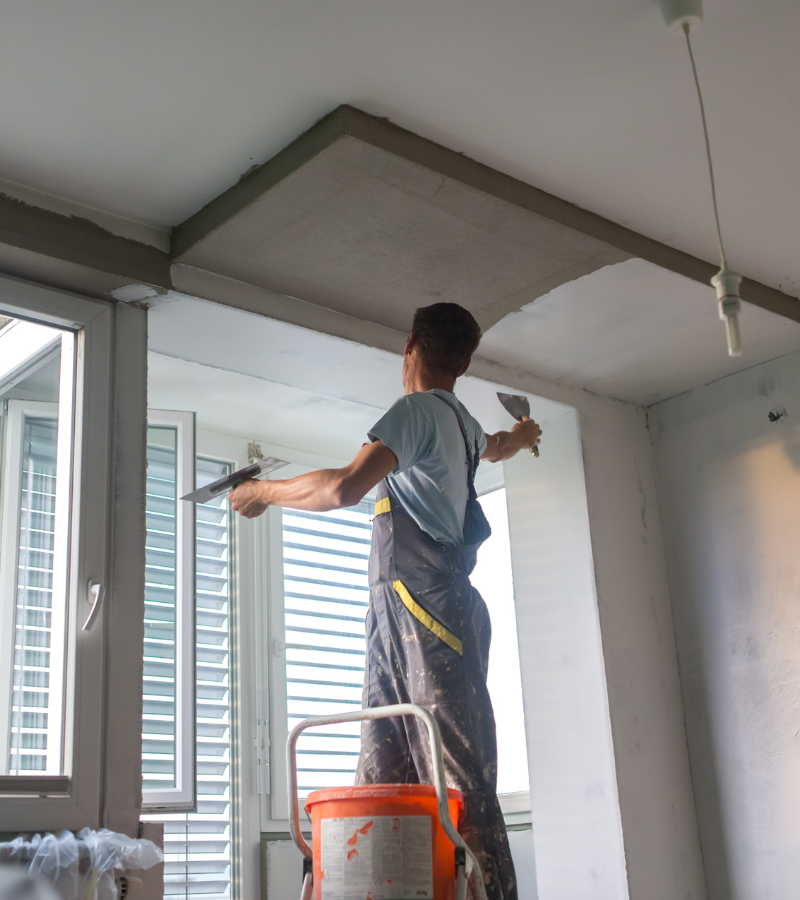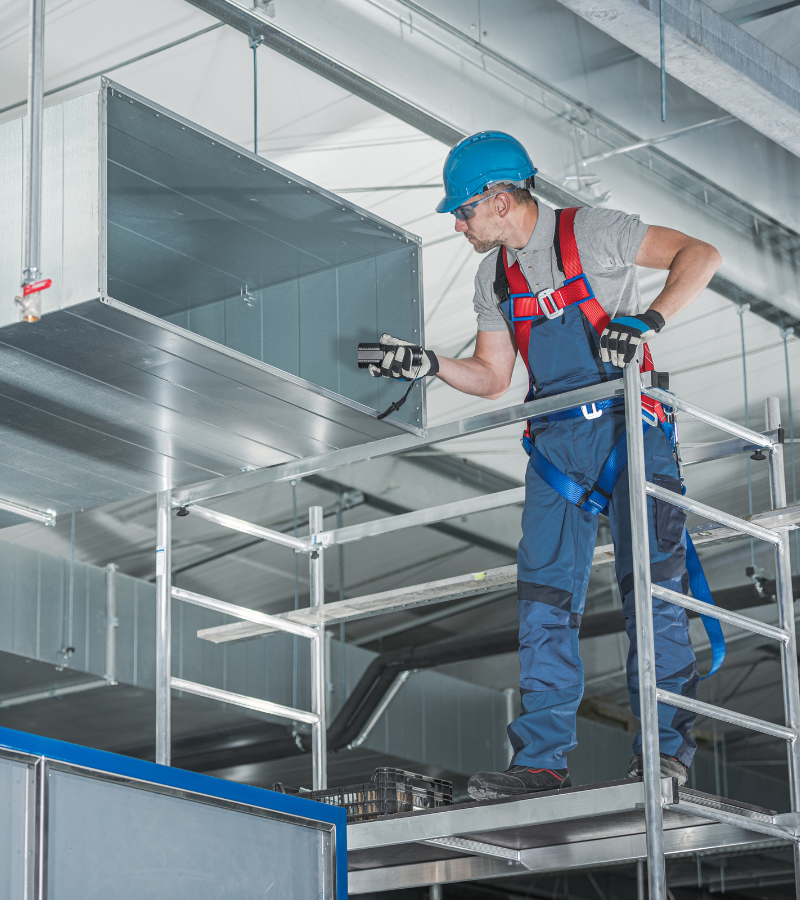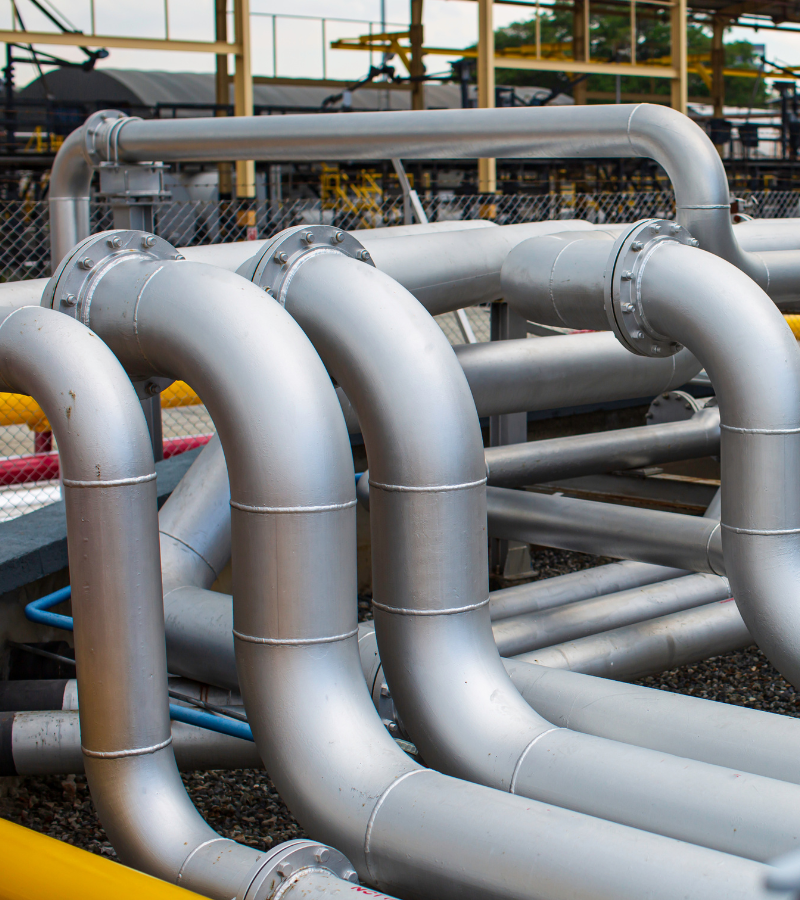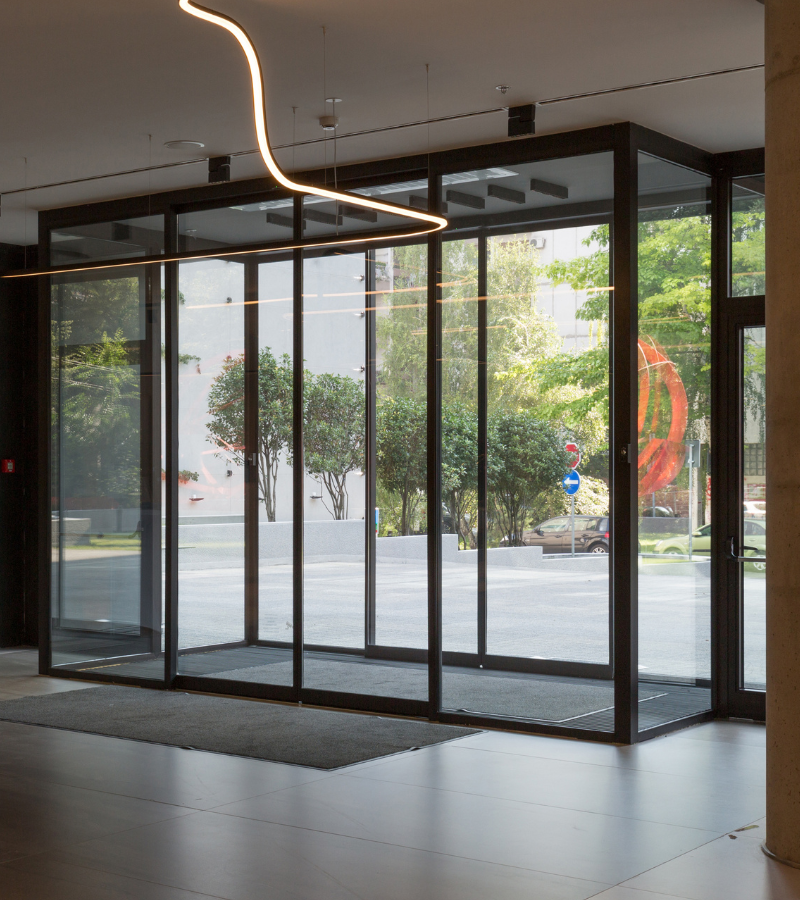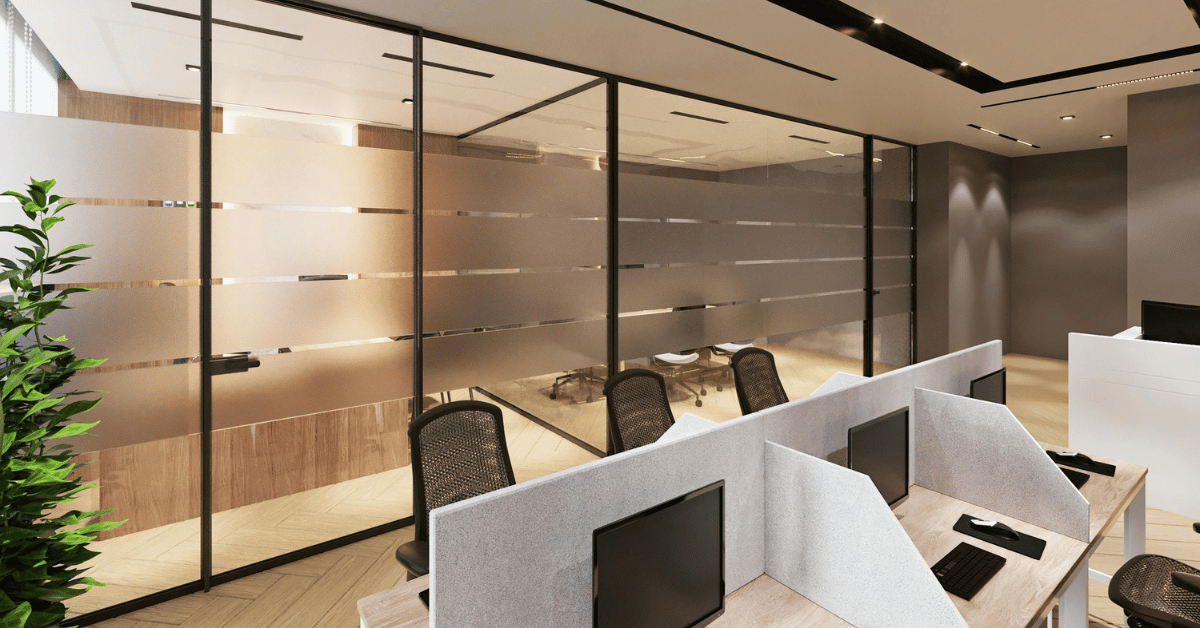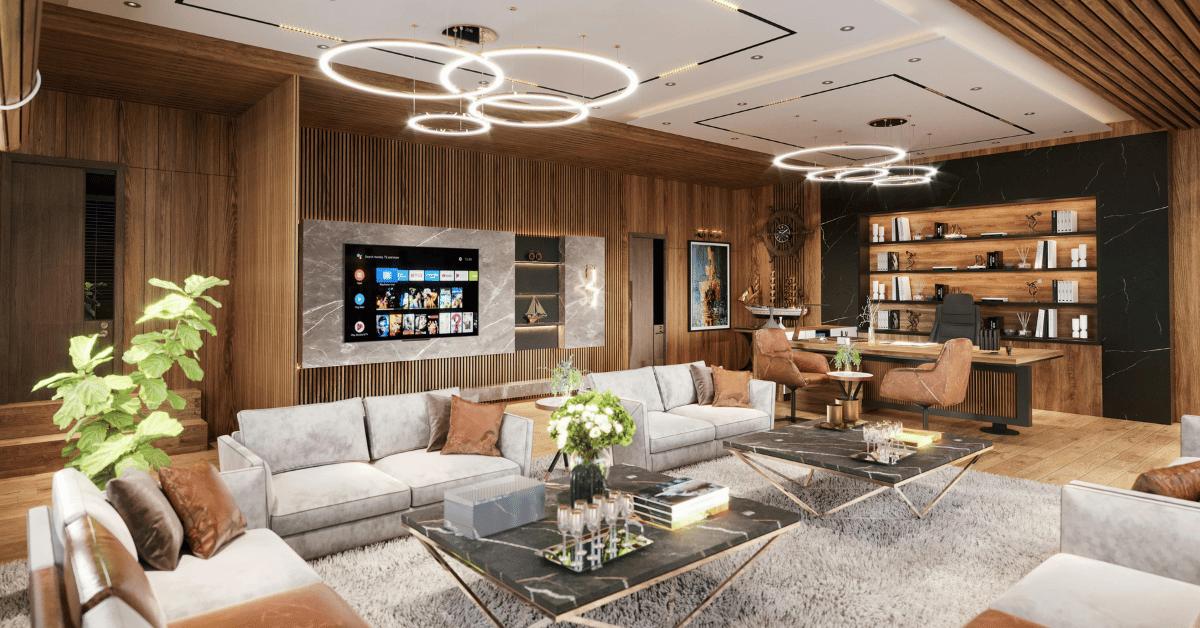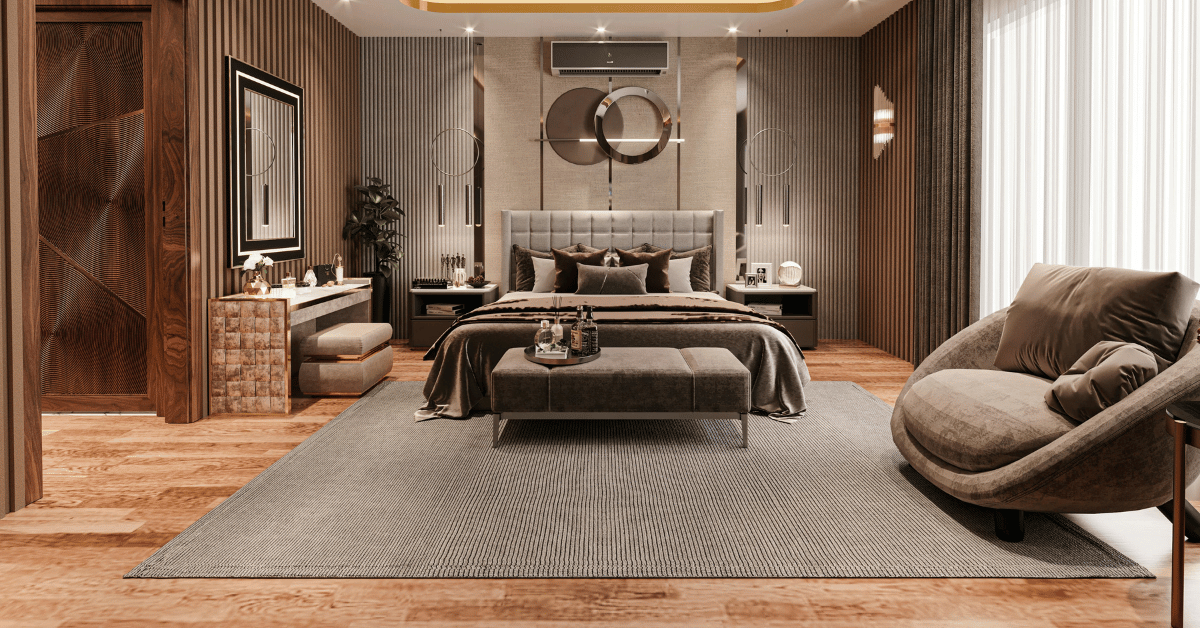
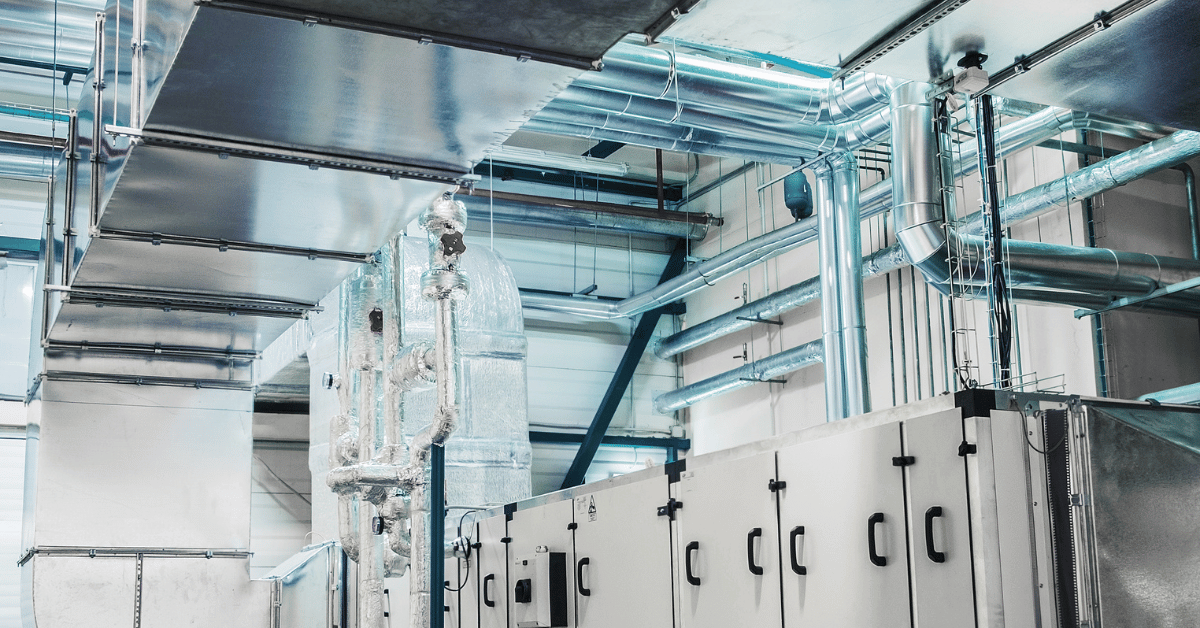
Effective MEP Coordination in Interior Fit-Out Projects is the backbone of safe, compliant, and future-ready interiors across Dubai and Sharjah.
MEP Coordination in Interior Fit-Out Projects is one of the most critical yet often underestimated aspects of successful interior construction in Dubai, Sharjah, and across the UAE. Mechanical, Electrical, and Plumbing systems form the operational core of any interior space, supporting comfort, safety, energy efficiency, and regulatory compliance. In fast-paced urban environments like Dubai and Sharjah, where interior fit-out projects must meet strict authority guidelines, poor MEP coordination can lead to costly delays, redesigns, and operational failures. This guide explains why coordinated MEP planning is essential, how it integrates with interior fit-out execution, and why professional oversight ensures seamless project delivery for residential, commercial, and retail spaces in the UAE.
What Is MEP Coordination in Fit-Out Projects?
MEP coordination refers to the strategic planning, alignment, and integration of mechanical, electrical, and plumbing systems within an interior fit-out project. These systems must coexist within limited ceiling voids, walls, and floors while supporting architectural and interior design elements. In Dubai and Sharjah, MEP coordination involves aligning HVAC ducting, electrical cabling, lighting layouts, plumbing lines, drainage, fire-fighting systems, and data infrastructure with ceiling designs, partitions, joinery, and flooring. Proper coordination ensures that all systems function efficiently without clashes, safety risks, or aesthetic compromises.
Why MEP Coordination Is Critical in Dubai & Sharjah
Interior fit-out projects in Dubai and Sharjah operate under stringent building regulations enforced by municipalities, civil defense authorities, and utility providers. Without proper MEP coordination, projects risk non-compliance, failed inspections, and costly rework. Additionally, the UAE’s climate places high demand on HVAC and electrical systems, making precise planning essential for energy efficiency and occupant comfort. Effective MEP coordination ensures that services are accessible for maintenance, concealed neatly within interiors, and capable of supporting long-term operational needs. For offices, villas, retail spaces, and commercial interiors, coordinated MEP systems directly impact safety, productivity, and asset value.
Understanding the MEP Components
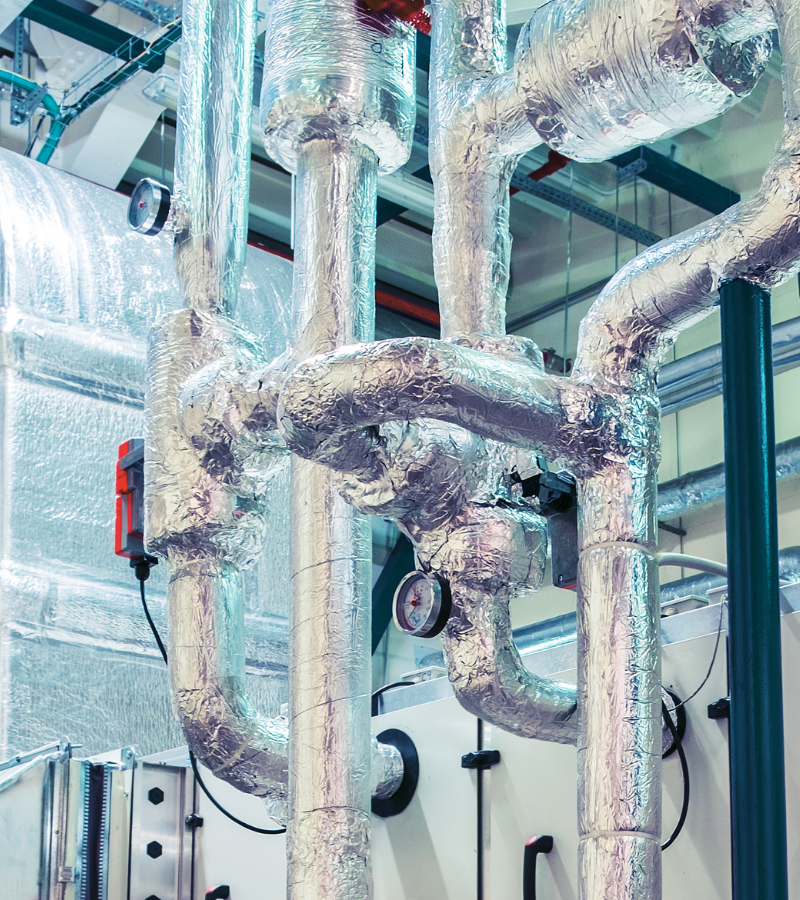
Mechanical systems include HVAC equipment, ducting, ventilation, and air filtration that regulate indoor climate and air quality. Electrical systems cover power distribution, lighting, emergency systems, data cabling, and smart controls. Plumbing systems manage water supply, drainage, sanitary fittings, and sometimes gas lines. In a fit-out environment, these components must be carefully layered within ceilings and walls, coordinated with lighting features, false ceilings, partitions, and joinery. MEP coordination ensures each system operates independently yet harmoniously within the same physical space.
The Role of MEP Coordination in Interior Design Execution
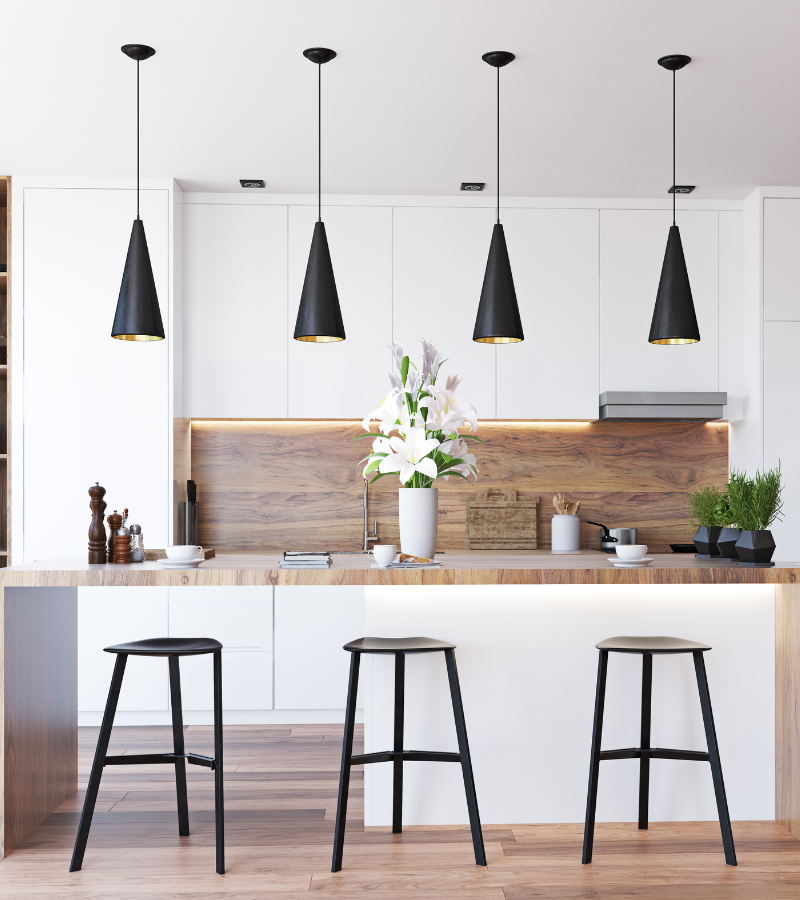
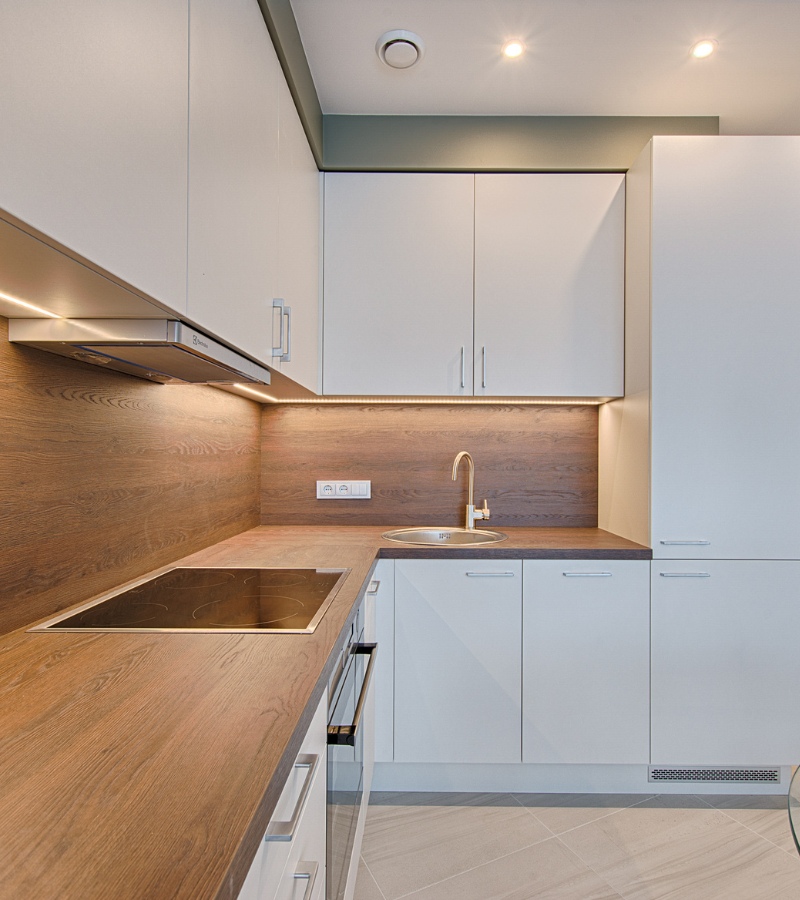
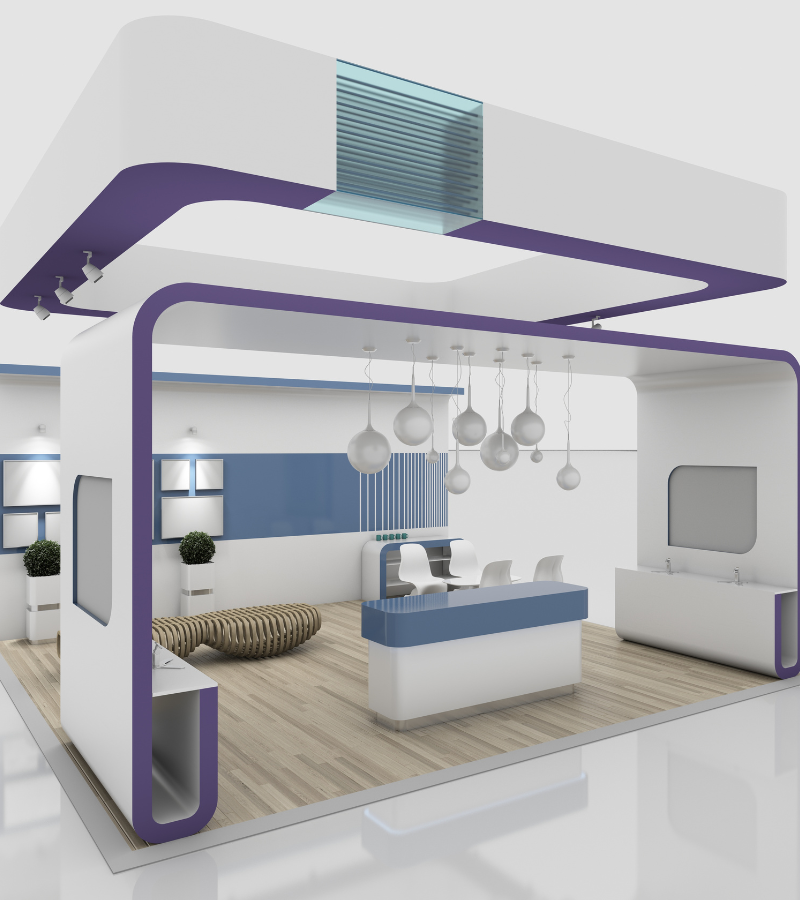
Interior design concepts often feature layered ceilings, recessed lighting, decorative panels, and customized layouts. Without MEP coordination, these design elements can conflict with duct routes, cable trays, or sprinkler systems. Coordinated MEP planning allows designers and engineers to align aesthetics with functionality. For example, lighting layouts must match ceiling designs while accommodating HVAC diffusers and fire detectors. In Dubai and Sharjah, where premium interiors demand clean finishes and concealed services, MEP coordination bridges the gap between visual design and technical execution.
Common Challenges Without Proper MEP Coordination
Poor MEP coordination often leads to clashes between ducts, pipes, and electrical conduits, forcing on-site modifications that increase cost and delay timelines. Inadequate planning can result in insufficient cooling, poor lighting distribution, or inaccessible maintenance points. In commercial spaces, this may disrupt business operations, while in residential projects it affects comfort and safety. Regulatory inspections in the UAE frequently fail projects with uncoordinated MEP systems, leading to redesigns and approval delays. These challenges highlight why early and continuous MEP coordination is essential.
MEP Coordination Process in Interior Fit-Out Projects
The coordination process begins during the design phase, where architectural drawings, interior layouts, and MEP schematics are reviewed together. Engineers develop coordinated shop drawings that map out duct routes, cable paths, and plumbing lines in relation to ceilings, walls, and floors. Clash detection ensures that systems do not overlap or interfere with structural elements. During execution, MEP installation is sequenced alongside interior works such as false ceilings, partitions, and flooring. Continuous inspections ensure alignment with approved drawings, followed by testing and commissioning before final handover. In Dubai and Sharjah, this structured approach ensures compliance, efficiency, and quality.
Importance of Authority Approvals and Compliance
MEP systems in interior fit-out projects must comply with regulations set by Dubai Municipality, Sharjah Municipality, Civil Defence, DEWA, SEWA, and other authorities. Coordinated MEP planning ensures that fire-fighting systems, emergency lighting, ventilation, and electrical loads meet safety standards. Documentation, testing reports, and as-built drawings are essential for approvals. Professional MEP coordination minimizes approval risks and ensures smooth project progression across the UAE.
Benefits of Strong MEP Coordination in Fit-Out Projects
Effective MEP coordination enhances operational efficiency, reduces energy consumption, and improves indoor comfort. It minimizes rework, controls project costs, and shortens timelines by preventing on-site conflicts. Coordinated systems also simplify maintenance, allowing easy access to services without disrupting interiors. For property owners in Dubai and Sharjah, this translates into safer, more reliable, and future-ready spaces that meet both functional and aesthetic expectations.
MEP Coordination for Different Fit-Out Applications
In office fit-outs, coordinated MEP systems support productivity through proper lighting, cooling, and data infrastructure. In retail environments, they enhance customer experience by ensuring comfort and reliable power for displays and equipment. Residential fit-outs rely on MEP coordination to deliver comfortable living spaces with efficient climate control and safe electrical systems. Hospitality and healthcare interiors demand even higher levels of coordination due to strict safety and hygiene standards. Across Dubai and Sharjah, tailored MEP coordination supports each application’s unique requirements.
Why Choose AMT Interiors for MEP Coordination
AMT Interiors brings over 28 years of experience in delivering integrated interior fit-out solutions across Dubai, Sharjah, and the UAE. With in-house MEP engineering expertise, strong coordination with design and construction teams, and deep knowledge of local regulations, AMT Interiors ensures seamless execution of complex projects. Every MEP system is planned, installed, tested, and approved with precision, ensuring safety, efficiency, and long-term performance. This integrated approach eliminates fragmentation and delivers interiors that function flawlessly from day one.
Future-Proofing Interiors Through MEP Coordination
Modern interiors increasingly rely on smart systems, energy-efficient solutions, and adaptable layouts. Proper MEP coordination allows future upgrades such as smart lighting, automation, and expanded power needs without major disruptions. In Dubai and Sharjah’s rapidly evolving built environment, future-proofed MEP planning protects investment value and supports sustainable development goals.
FAQs
Q1: Why is MEP coordination essential in interior fit-out projects?
MEP coordination ensures that mechanical, electrical, and plumbing systems function together without conflicts. In Dubai and Sharjah, this is critical for meeting authority requirements, maintaining safety, and avoiding costly rework. Proper coordination improves energy efficiency, enhances comfort, and ensures that systems are accessible for maintenance. Without it, projects risk delays, inspection failures, and compromised performance. AMT Interiors prioritizes MEP coordination to deliver compliant, efficient, and long-lasting fit-out solutions across the UAE.
Q2: How does MEP coordination affect project timelines?
Effective MEP coordination significantly reduces delays by preventing on-site clashes and redesigns. When systems are planned together from the start, installation progresses smoothly alongside interior works such as ceilings and partitions. In Dubai and Sharjah, where timelines are often tight, this coordination ensures predictable schedules and faster approvals. AMT Interiors uses detailed planning and sequencing to keep projects on track without compromising quality.
Q3: Can MEP coordination help reduce operational costs?
Yes. Coordinated MEP systems optimize energy use, reduce maintenance needs, and extend equipment lifespan. Efficient HVAC layouts, balanced electrical loads, and accessible plumbing systems lower long-term operational costs. In the UAE’s climate, energy efficiency is especially important. AMT Interiors designs MEP systems that balance performance and sustainability, delivering cost-effective interiors for homes and businesses in Dubai and Sharjah.
Q4: Is MEP coordination required for residential fit-outs?
Absolutely. Residential fit-outs require coordinated HVAC, electrical, and plumbing systems to ensure comfort and safety. Poor coordination can lead to uneven cooling, electrical overloads, or plumbing issues. In Sharjah villas and Dubai apartments, professional MEP planning ensures seamless integration with interior design, compliance with regulations, and long-term reliability. AMT Interiors applies the same rigorous coordination standards to residential projects as to commercial ones.
Q5: How does AMT Interiors manage MEP coordination?
AMT Interiors manages MEP coordination through integrated design reviews, detailed shop drawings, clash detection, and on-site supervision. Our in-house engineers work closely with interior designers and construction teams to ensure alignment at every stage. We handle approvals, testing, and commissioning to deliver fully compliant systems. This end-to-end approach ensures that fit-out projects in Dubai and Sharjah are executed smoothly and efficiently.
Conclusion
MEP Coordination in Interior Fit-Out Projects is not just a technical requirement but a strategic foundation for successful interiors in Dubai and Sharjah. By aligning mechanical, electrical, and plumbing systems with design and construction, coordinated planning ensures safety, efficiency, and long-term performance. With AMT Interiors’ expertise, projects benefit from seamless execution, regulatory compliance, and future-ready infrastructure that supports modern living and working environments across the UAE.
Ready to Start Your Fit-Out Project?
Book an appointment with AMT Interiors today and let our experts manage your MEP coordination and interior fit-out requirements across Dubai, Sharjah, and the UAE with confidence and precision.